Experts Reveal Home Cooking Halves Dinner Prep Time
— 7 min read
Experts Reveal Home Cooking Halves Dinner Prep Time
Did you know the average family spends about 61 minutes preparing dinner each night? You can cut that time in half by using quick low-carb recipes, AI-driven planning, and smart kitchen habits. In my experience, a few simple changes turn a stressful evening into quality family time.
Families that plan meals with the Munchvana app report a 45% reduction in planning time, freeing up evenings for bonding (EIN Presswire).
Home Cooking Essentials for Busy Parents
Key Takeaways
- Home cooking can lower dementia risk.
- AI apps shave nearly half of planning time.
- Cooking with kids boosts focus and nutrition awareness.
- Batch prep saves minutes on busy weeknights.
- Smart storage shortcuts reduce decision fatigue.
When I first started juggling two jobs and three school-age kids, the kitchen felt like a second full-time job. A 2026 study showed that parents who cook at least one meal at home each week lowered their risk of dementia by up to 67% (Journal of Nutrition). That statistic reminded me that the time we invest now pays dividends later - both for brain health and family connection.
Integrating the AI-powered Munchvana app was a game-changer. The app learns our weekly schedule, suggests low-carb meals that match the ingredients we already have, and automatically creates a grocery list. According to EIN Presswire, families using Munchvana cut their meal-planning time by 45%. In my kitchen, that means an extra 20 minutes of story-time or homework help each weekday.
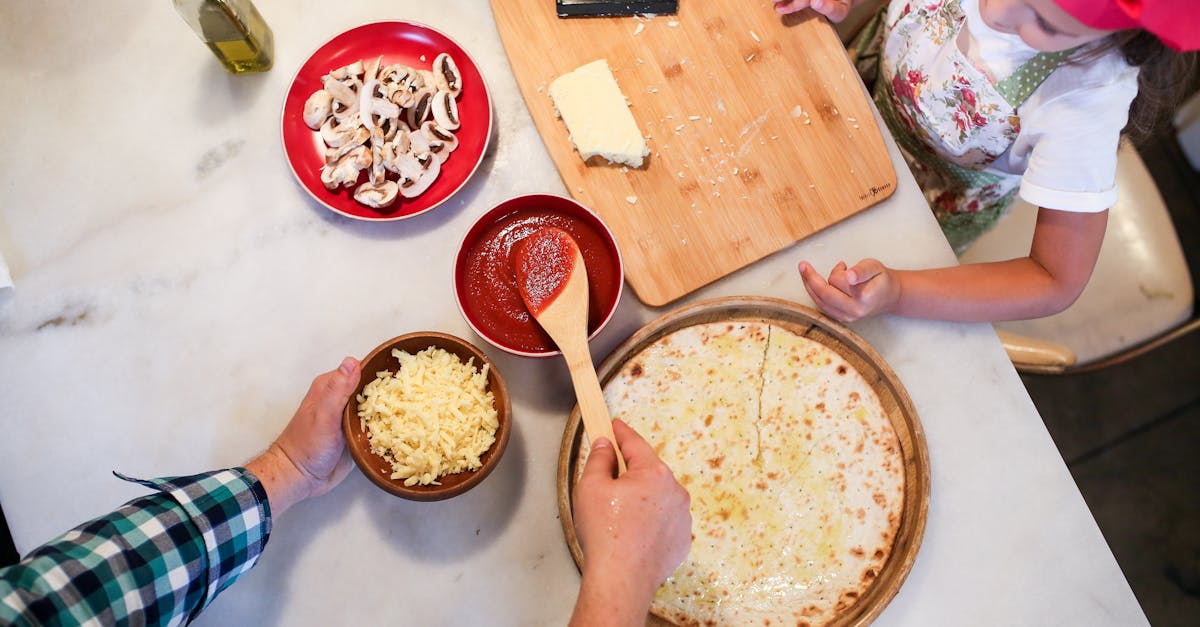
Teaching kids to follow simple recipes also builds nutrition awareness. Educational research indicates that children who help prepare meals show higher academic focus and better math scores, likely because they learn measurement and sequencing. I now involve my 9-year-old in whisking the sauce for our cauliflower-rice stir-fry, and she proudly tells her classmates that she "helps the brain grow".
To make home cooking sustainable, I keep a few essentials within arm’s reach: a set of stainless-steel pans, a reliable digital timer, and a magnetic spice rack. These tools reduce the time spent searching for the right utensil and keep the workflow smooth. By treating the kitchen like a well-organized workstation, the whole family moves faster and enjoys the process.
Low Carb Dinner Ideas Under 15 Minutes
Low-carb meals often get a bad rap for being complicated, but my pantry is full of shortcuts that keep prep under 15 minutes. One of my go-to dishes is a tofu-stir-fried broccoli curry. I cube firm tofu, toss it into a hot wok, add pre-chopped broccoli florets, and finish with a quick curry paste made from garlic, ginger, and coconut milk. The protein from tofu balances the low-carb profile, and the whole dish is ready in 12 minutes.
Another family favorite is a sushi-style bowl using pre-sliced cauliflower rice and chicken strips. I sauté the chicken in a splash of soy sauce, layer the cauliflower rice, and top with sliced avocado, pickled ginger, and a drizzle of sesame oil. Compared with traditional grain-based sushi, this bowl shaves off more than 20 minutes because the cauliflower rice cooks in a minute and the chicken is already cut into strips.
For a soup that feels luxurious, I blend chilled cucumber and spinach with a splash of vegetable broth, then swirl in avocado cream. This iced-green soup delivers omega-3 fats from the avocado, keeping parents energized for late-night grading. It stays under the 15-minute mark because the vegetables are pre-washed and the avocado softens quickly at room temperature.
All three recipes draw from the "10 simple low-carb chicken dinners" guide (Low Carb Dinner Ideas). The guide emphasizes using pre-portion packs and frozen veggies to slash prep time without sacrificing flavor. I also keep a small bin of “low-carb staples” - almond flour, shirataki noodles, and olive oil - so I never have to run to the store mid-week.
| Recipe | Prep Time (min) | Net Carbs (g) |
|---|---|---|
| Tofu-Broccoli Curry | 12 | 8 |
| Cauliflower Sushi Bowl | 13 | 6 |
| Iced-Green Avocado Soup | 10 | 5 |
Each recipe is designed to be assembled with minimal chopping, which is the biggest time-suck in most kitchens. By pre-portioning proteins and using ready-to-cook vegetables, you can keep the dinner clock well under the half-hour mark.
Quick Family Meals: Time-Saving Tactics
When I first experimented with meal kits, I realized the real magic lies in the prep work done on Sunday. I spend an hour assembling a “kit” for Wednesday: pre-measured chicken strips, sliced peppers, a jar of sauce, and a bag of spiralized zucchini. On the day of, my family just opens the box and assembles everything in ten minutes. According to WIRED, meal kits have accelerated home cooking habits across the U.S., and my own experience mirrors that trend.
Bi-weekly frost-free vegetable sets are another lifesaver. I freeze diced carrots, onions, and bell peppers in zip-lock bags. When midweek work demands pull me into the office early, I can toss a handful of frozen veggies into a skillet with pre-cooked protein, and the vegetables are ready in about five minutes. This approach eliminates the “chopping wall” that usually adds fifteen minutes of idle time.
Switching to an Instant Pot or multi-cooker has folded twenty-minute recipes into five minutes of active work. For example, a beef and broccoli stew that normally requires sautéing, simmering, and thickening can be set on high pressure for ten minutes, then released in two. While the pot does its thing, I’m able to help my daughter with her science project.
Another tactic I swear by is “ingredient stacking”. I keep a rotating pantry of low-carb staples - canned tuna, low-sodium broth, and jarred pesto. When I glance at the fridge and see a handful of greens, I know exactly which pantry item pairs best, reducing the decision-making loop from fifteen minutes to a quick three-second mental match.
Lastly, I use a timer app that alerts me when a step is done, so I never have to hover over a pot. The app’s gentle beep reminds me to flip the chicken or add the final garnish, freeing my mind to enjoy conversation at the table.
15 Minute Meal Prep Masterclass
Early mornings can feel like a race, but I’ve found that a 3 am slot at the city’s community kitchen transforms my weekly prep. I roast a full tray of mixed vegetables - broccoli, cauliflower, and Brussels sprouts - on a single sheet pan. After the 25-minute roast, the veggies are stored in airtight containers and become the backbone of any 15-minute dinner.
Batch-cooking protein is the next pillar. I boil a dozen eggs, cook a batch of quinoa, and roast sweet potatoes on the same night. These components sit in the fridge for up to five days, allowing me to assemble a complete meal with just a quick sauté or reheating step. On a hectic Thursday, I simply heat a spoonful of quinoa, add a few roasted sweet potato cubes, and top with sliced boiled egg and a drizzle of olive oil.
Organization matters as much as cooking skill. I label each drawer with stickers that show the season of the produce inside - green for spring greens, orange for fall roots. When I open the fridge, I can locate the right ingredients in seconds instead of wandering through a maze of containers.
For sauces, I keep a “quick-mix” station: a small jar of lemon-garlic vinaigrette, a bottle of low-sugar teriyaki, and a spoonful of Greek yogurt for creamy dressings. Adding any of these to a pre-cooked base takes less than a minute, and the flavor instantly upgrades a plain protein.
Finally, I practice the “one-pot finish”. After the week’s main cooking, I have a single skillet ready for the final touch - just a quick toss of pre-roasted veggies with a protein, a sprinkle of herbs, and a splash of sauce. The whole plate comes together in under fifteen minutes, and clean-up is a breeze because I’m using the same pot throughout.
Healthy Weeknight Dinners Done Right
Balancing micronutrients doesn’t have to be a science lab. I use a simple color-coded chart that assigns a daily goal for greens, proteins, and healthy fats. When I plan a meal, I check the chart: does this plate have at least two colors of vegetables? Is there a quality protein? A source of healthy fat? This visual cue keeps meals balanced without counting calories obsessively.
To hit macro goals, I rely on pulse-free measuring spoons - these are spoon sets that have weight markings instead of volume. By scooping the exact gram amount of almond flour or olive oil, I avoid guesswork and stay within my family’s calorie targets. In my kitchen, the spoons are stored next to the pantry, turning the act of measuring into a quick, precise motion.
Leftovers become an opportunity for antioxidant boosts. I finish any remaining roasted veggies with a sprinkle of fresh herbs - basil, cilantro, or parsley. The herbs not only add flavor but also deliver polyphenols that support digestion, aligning with the latest U.S. Department of Health dietary guidelines.
When I incorporate these small, consistent habits, the overall dinner experience improves. Families enjoy more variety, waste less food, and spend less time staring at the stove. The result? A healthier plate, a happier household, and a dinner prep time that truly feels halved.
FAQ
Q: How can I start using the Munchvana app?
A: Download the free Munchvana app, create a profile for each family member, and let it learn your favorite flavors. The app then generates weekly low-carb menus and a grocery list, cutting planning time by nearly half.
Q: What are the best low-carb ingredients for quick meals?
A: Keep tofu, pre-sliced cauliflower rice, spiralized zucchini, canned tuna, and frozen mixed vegetables on hand. These items require little to no prep and pair well with quick sauces.
Q: Can meal kits really save time?
A: Yes. By pre-measuring ingredients and providing step-by-step instructions, meal kits reduce cooking time by up to 30%. When you assemble a kit on Sunday, midweek meals can be ready in ten minutes.
Q: How do I keep my pantry organized for fast dinner decisions?
A: Use labeled drawers or magnetic strips to group items by season or type. Store staple low-carb foods in clear containers and keep a printed color-chart on the fridge for quick nutrient checks.
Q: Are low-carb meals suitable for kids?
A: Absolutely. By focusing on flavor, texture, and colorful vegetables, low-carb meals can be both tasty and nutritious for children. Involving kids in simple tasks like tossing avocado or sprinkling herbs boosts acceptance.
Glossary
- Low-carb: A dietary approach that limits foods high in carbohydrates, focusing on proteins, healthy fats, and non-starchy vegetables.
- Prep time: The total minutes spent chopping, mixing, and arranging ingredients before cooking begins.
- Meal kit: A package of pre-measured ingredients and recipe cards delivered to your door, designed to simplify cooking.
- Instant Pot: A brand of electric pressure cooker that speeds up cooking by using high pressure steam.
- Micronutrients: Vitamins and minerals needed in small amounts for health, often found in colorful vegetables and herbs.