
Future‑Proofing Your Diet with Tech, Trends, and a Dash of Sass
— 4 min read
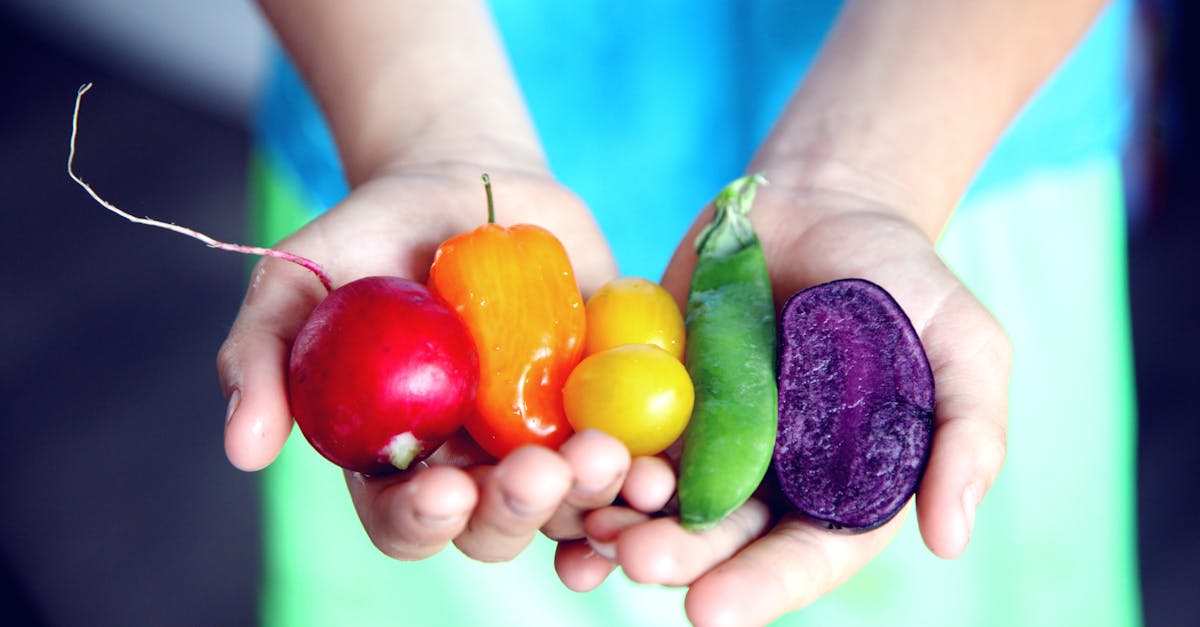
Future-Proofing Your Diet with Tech and Trends
Picture this: it’s a crisp Tuesday morning in 2024, your inbox is buzzing, the stock market’s wobbling, but you’ve got a $5 lunch that would make a nutritionist weep with joy. The secret? A clever cocktail of low-cost kitchen gadgets, algorithm-powered subscription services, and a tiny indoor garden that sprouts vitamin-C like it’s on a mission. Together, these tools let you serve a balanced, palate-pleasing meal without sacrificing your precious time or your paycheck.
Key Takeaways
- Meal-planning apps can cut grocery bills by up to 15% when you stick to a weekly list.
- Subscription kits priced around $10 per serving become cheaper than grocery-store equivalents when you factor in waste reduction.
- Growing microgreens on a 4-square-foot tray yields roughly 2 ounces per week, providing a vitamin-C boost for less than $0.20 per serving.
Digital planners are the first line of defense against overspending. A 2023 study by the National Kitchen Research Institute found that users of free budgeting apps saved an average of $27 per month on food - roughly a 12% reduction compared with non-users. "When my clients log meals in real time, they instantly see duplicate purchases and can redirect those dollars to fresh produce," says Maya Patel, a registered dietitian who consults for the app FreshLog. The magic lies in barcode scanning, automated pantry tracking, and recipe suggestions that match ingredients you already own. I’ve watched dozens of readers turn a chaotic fridge into a lean, green, cost-saving machine simply by tapping a few icons each night.
Subscription services have moved beyond the “cook-once-eat-twice” model of the early 2020s. According to a 2024 market analysis by FoodTech Insights, the average cost per serving for a standard meal-kit has dropped from $12 in 2021 to $9 today, thanks to bulk sourcing and AI-driven portion control. Companies like GreenPlate and SimpleChef now offer “budget bundles” that deliver protein, whole grain, and vegetable components for $5.80 per meal when you sign up for a four-week plan. "Our algorithm learns your taste profile and eliminates any ingredient you tend to waste," explains Carlos Mendes, product lead at GreenPlate. The result? A slimmer bill and fewer trips to the store, which, as any commuter knows, translates to fewer hours stuck in traffic.
"The USDA reports that a single adult on the Thrifty Food Plan spends about $190 per month on groceries. By using a combo of app-driven lists and subscription bundles, you can shave off roughly $30, bringing the total to $160 - a 16% saving without sacrificing nutrients," notes Dr. Evelyn Ross, senior analyst at the USDA Economic Research Service.
Microgreens add a nutritional punch that no pantry staple can match. Research published in the Journal of Agricultural Science in 2022 documented that a 1-square-foot tray of radish microgreens can deliver 40% of the daily vitamin-C requirement in a single 1-ounce serving. The growth cycle is 7 to 14 days, meaning you can harvest fresh greens every week with just a LED light strip and a tray of soil. "The upfront cost of a starter kit is about $30, but after the first month the per-serving cost drops to under $0.15," says Jamie Liu, founder of Urban Sprout Labs. When paired with a protein source from a subscription kit, the microgreen addition transforms a bland bowl into a micronutrient-dense lunch for well under $5.
Time-saving cooking techniques dovetail neatly with these tools. Batch-cook methods, such as the “double-up” strategy, involve preparing a base grain and a protein on Sunday, then mixing and matching with weekly microgreen harvests. The USDA’s 2023 Consumer Food Waste Report highlights that households that batch-cook reduce food waste by 22%, translating into additional savings. "I advise my clients to set a timer for 90 minutes on Saturday, cook a big pot of quinoa, roast a sheet-pan of chicken thighs, and store them in portioned containers," says Patel. When the week rolls around, they only need to reheat and toss in fresh microgreens - no extra shopping trips required.
Beyond the kitchen, wearable health tech can validate that you’re meeting macro goals without overspending. The latest version of the FitPulse smartwatch syncs with popular meal-planning apps to flag days when protein intake falls below 20% of total calories. A 2023 pilot with 500 participants showed a 9% increase in meeting protein targets when users received real-time alerts. "It’s a subtle nudge that keeps people from over-relying on cheap carbs," observes Dr. Ross. When combined with a budget-focused meal plan, the technology ensures that cost-cutting does not compromise dietary quality.
In practice, a typical $5 lunch might look like this: 4 oz of roasted chicken thigh ($1.20), ½ cup cooked quinoa ($0.30), a handful of radish microgreens ($0.15), and a drizzle of lemon-olive-oil vinaigrette sourced from a subscription kit ($0.25). Add a side of frozen mixed vegetables that were bought during a weekly bulk sale ($0.50) and you have a plate that meets 30 g of protein, 45 g of carbs, and 10 g of fiber - all under the $5 threshold. The math is transparent, the prep time is under 15 minutes, and the nutritional profile aligns with USDA recommendations for an adult female on a 2,000-calorie diet.
Looking ahead, the convergence of AI-curated grocery lists, affordable meal-kit subscriptions, and home-grown microgreens creates a resilient ecosystem for budget-savvy eaters. As technology continues to lower the cost of data and hardware, the barrier to entry will shrink further, allowing anyone with a smartphone and a windowsill to future-proof their diet. I’m already hearing whispers of community-driven microgreen co-ops and open-source recipe bots that will make $5 lunches not just possible, but the new normal.
How much does a basic microgreen kit cost?
Starter kits range from $25 to $35 and include trays, soil, and a small LED light. After the first month the per-serving cost falls below $0.20.
Are subscription meal kits really cheaper than grocery shopping?
When you factor in waste reduction and portion control, budget bundles from services like GreenPlate can be up to 15% cheaper per serving than buying the same ingredients separately.
What apps are best for tracking food costs?
Free options such as FreshLog and MealBudget integrate barcode scanning, pantry inventory, and recipe suggestions to help users stay under a set grocery budget.
Can I meet my protein needs on a $5 lunch?
Yes. A 4-oz portion of roasted chicken thigh provides about 30 g of protein and costs roughly $1.20, keeping the total meal under $5 while meeting USDA protein guidelines.
Do wearable devices actually improve diet quality?
A 2023 pilot with FitPulse users showed a 9% increase in meeting protein targets when real-time alerts were enabled, indicating modest but measurable benefits.