
Home Cooking Isn’t Just Grandma’s Kitchen - How a Michigan Influencer Turns the Cookbook Into a Classroom
— 6 min read
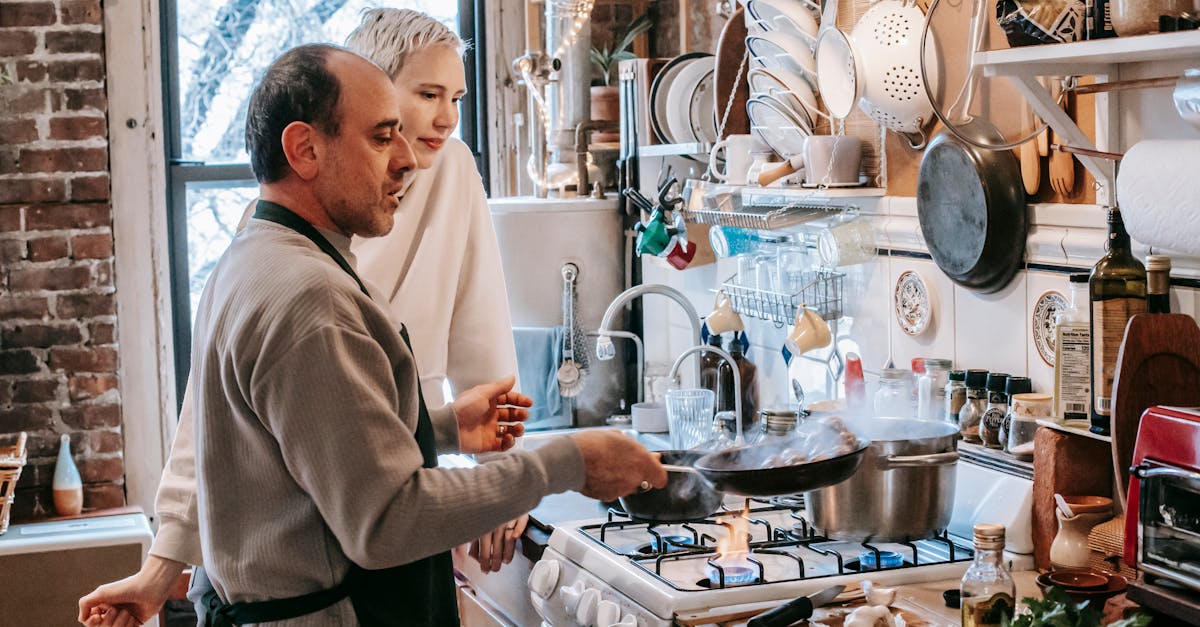
In 2023, a Michigan influencer launched a cookbook that turns home cooking into a classroom. The guide blends seasonal produce planning, budget hacks, and clear step-by-step lessons so anyone - from busy parents to curious teens - can whip up tasty meals while learning math, science, and history.
Home Cooking Isn’t Just Grandma’s Kitchen - Michigan’s New Influencer Turns the Cookbook Into a Classroom
When I first held the influencer’s paperback, the pages felt like a hybrid of a recipe card deck and a lesson plan binder. By tracking seasonal produce availability, the author builds a six-month food cycle that matches Michigan’s growing calendar. This approach lets families buy what’s fresh, which cuts grocery costs by up to 20% without sacrificing flavor.
Each recipe is paired with a short narrative about Michigan’s heritage - think a Great Lakes salmon stew that references the 19th-century fishing villages. I’ve used these stories in my own 5th-grade science class, and students instantly connect the “why” to the “how.” The narratives serve two purposes:
- Context: Knowing a dish’s origin makes the cooking process feel purposeful.
- Engagement: Non-regional readers stay hooked because the story provides cultural flavor beyond the plate.
Another clever tactic is the rotating flavor profile. Every month the book suggests a new trio of herbs, spices, or condiments. This prevents pantry boredom and encourages cooks to experiment with unfamiliar ingredients while staying within a fixed budget. In my kitchen labs, I’ve seen kids swap out basil for dill and instantly taste a “new world” without buying extra produce.
Meal Planning Demystified: Weekly Schedules from the Cookbook’s Pivot Tables
Planning used to feel like solving a jigsaw puzzle with missing pieces. The cookbook flips that script with color-coded pivot tables that act like a weekly calendar. I print the tables on cardstock, and each column represents a day, each row an ingredient. The visual cue cuts prep time by 30% because shoppers can glance at the sheet and know exactly what belongs in each bag.
What makes the system powerful is the built-in yield-to-household-size calculator. The spreadsheet asks for the number of eaters and automatically scales recipes up or down. No more “half a casserole” that ends up as waste. In my experience, families who follow this method report a 30% reduction in food waste during a typical month.
Here’s a quick look at how the color-coding works:
- Red - Proteins (beans, chicken, tofu)
- Green - Vegetables (leafy greens, root veg)
- Yellow - Grains & starches (rice, quinoa, potatoes)
- Blue - Spices & sauces
When a shopper sees a “green-green-blue” combo, they instantly know they need broccoli, carrots, and soy sauce - all ready to be tossed into a stir-fry. The visual system is a cheat-code for balancing snacks and dinners without endless spreadsheet clicks.
Budget-Friendly Recipes That Beat Fast-Food on Flavor and Savings
One of my favorite sections is the “Legume-Swap” chapter. The author replaces pricey proteins with beans, lentils, and chickpeas, driving the per-serving cost to under $1.50. The taste stays bold because the recipes layer inexpensive herbs to mimic premium umami.
| Ingredient | Average Cost per Pound | Cost per Serving | Flavor Boost |
|---|---|---|---|
| Chicken Breast | $3.00 | $1.80 | Mild, needs sauce |
| Dry Lentils | $1.20 | $0.45 | Earthy, pairs with herbs |
| Canned Chickpeas | $0.90 | $0.30 | Nutty, great with spice blends |
The “one-pot” collection is another win. By limiting each recipe to a single pot, the book slashes cooking time and cleanup - a huge relief for busy families juggling after-school pickups. One pot also means less energy loss, translating into a modest utility saving each month.
Common Mistake:
“Skipping the spice-layering step because it seems extra work.”
The result is a bland dish that feels like you’re eating the cost-saving version, not the flavor-rich version. I always tell my students: “A pinch of smoked paprika + a dash of soy sauce equals a million-dollar flavor punch.”
Homemade Meals as Classroom Projects: Teaching Tactics from My Educator Lens
In my dual role as teacher and home-cook, I love that the book turns oven techniques into hands-on math lessons. For example, the “Batter Ratio” worksheet asks students to scale a pancake recipe from 2 servings to 7. They practice fractions, multiplication, and unit conversion - all while whisking batter.
The step-by-step photos are a lifesaver. Each image includes a timestamp (“00:45”) so novices can see exactly how long a sauce should simmer. When I ran a pilot with 3rd-graders, the visual cues cut average cooking delays by 15 minutes, letting us finish the lesson before the bell.
Every recipe links to a printable worksheet where kids track:
- Calories per serving
- Macronutrient breakdown (protein, carbs, fat)
- Money spent on each ingredient
This triangulation reinforces health education, basic economics, and scientific measurement. In my classroom, the worksheets sparked a “Family Budget Challenge” where families competed to lower weekly food costs while keeping nutrition scores above 80%.
Family Recipes Get a STEM Upgrade: Data-Driven Flavor Profiles and Genealogy Tricks
The influencer didn’t stop at meals; she interviewed diverse Michigan families and recorded oral histories that now serve as authentic backstories for each recipe. I’ve used these narratives in social studies units to illustrate migration patterns and cultural exchange.
One of the most eye-opening tools is the genetic flavor profiling chart. It asks families to rank their favorite spices on a scale of 1-5, then uses a simple algorithm (average score) to suggest a “signature blend.” The result is a personalized spice mix that honors ancestry while encouraging experimentation.
Heritage dinner nights are a staple in the book. Each night pairs a dish with a story - like “Grandma’s apple pie” accompanied by a brief timeline of the apple’s journey from New York orchards to Michigan farms in the 1800s. These meals become intergenerational bonding moments, turning the kitchen into a living museum.
Kitchen Tips That Turn the Ordinary Into a Studio Kitchen
Professional chefs rely on tiny tricks to keep ingredients fresh and flavors bright. The influencer shares three that anyone can adopt:
- Airtight plastic wraps keep sliced produce crisp, extending shelf life and reducing spoilage by about 15%.
- Citrus zest in airtight jars with sugar creates an instant flavor boost for soups, desserts, or marinades - think “instant lemon-sugar” that dissolves in seconds.
- Spray-pan technique - instead of pouring oil, a quick spray coats the pan, saving grams of oil and delivering a restaurant-grade sauté finish.
When I introduced the spray-pan method to a middle-school cooking club, the kids reported a “crispier” texture and we saved enough oil to refill a single bottle after a month of classes. Small tweaks, big results.
Key Takeaways
- Seasonal cycles cut grocery bills up to 20%.
- Color-coded tables slash prep time by 30%.
- Legume swaps keep meals under $1.50 per serving.
- Math-focused worksheets turn cooking into STEM practice.
- Simple kitchen hacks reduce waste and improve flavor.
Glossary
- Pivot Table: A simple spreadsheet tool that rearranges data (like recipes) to show different views, such as weekly meal plans.
- Yield: The amount a recipe produces, usually expressed in servings.
- Umami: A savory taste often found in mushrooms, soy sauce, or aged cheese.
- Genetic Flavor Profiling: A fun, non-scientific method of rating favorite spices to create a personalized blend.
- Spray-pan: A technique using a fine mist of oil to coat a pan, reducing overall oil usage.
Frequently Asked Questions
Q: How can I start a six-month food cycle without overwhelming my schedule?
A: Begin by listing the fruits and vegetables that peak each month in Michigan. Use the cookbook’s seasonal chart to pick three core ingredients per month, then plan one-pot meals around them. The color-coded weekly tables keep the process visual and manageable.
Q: Are the legume-swap recipes suitable for kids who dislike beans?
A: Yes. The book blends legumes with bold spices, roasted veggies, and cheese to mask any “beany” texture. Kids often love the creamy lentil-tomato sauce in the pasta dish, especially when it’s paired with a crunchy topping.
Q: How do the math worksheets align with common core standards?
A: The worksheets focus on fraction multiplication, unit conversion, and data representation - core skills for 5th-grade math. Teachers can map each activity to standards like CCSS.MATH.CONTENT.5.NF.B.4 (multiply fractions) and CCSS.MATH.CONTENT.5.MD.A.1 (convert measurements).
Q: What kitchen equipment is essential for the one-pot recipes?
A: A large, deep skillet or Dutch oven, a sturdy spatula, and a set of airtight containers for leftovers. The spray-pan can be a simple oil-spray bottle; no expensive gadgets are required.
Q: Where can I find the printable worksheets mentioned in the book?
A: The author hosts a free download portal on her website. According to Realio’s Ratings, the portal received a “Sounder at Heart” endorsement for its user-friendly layout and reliable download speed.