
Kitchen Hacks vs Slow Planning: Which Wins?
— 6 min read
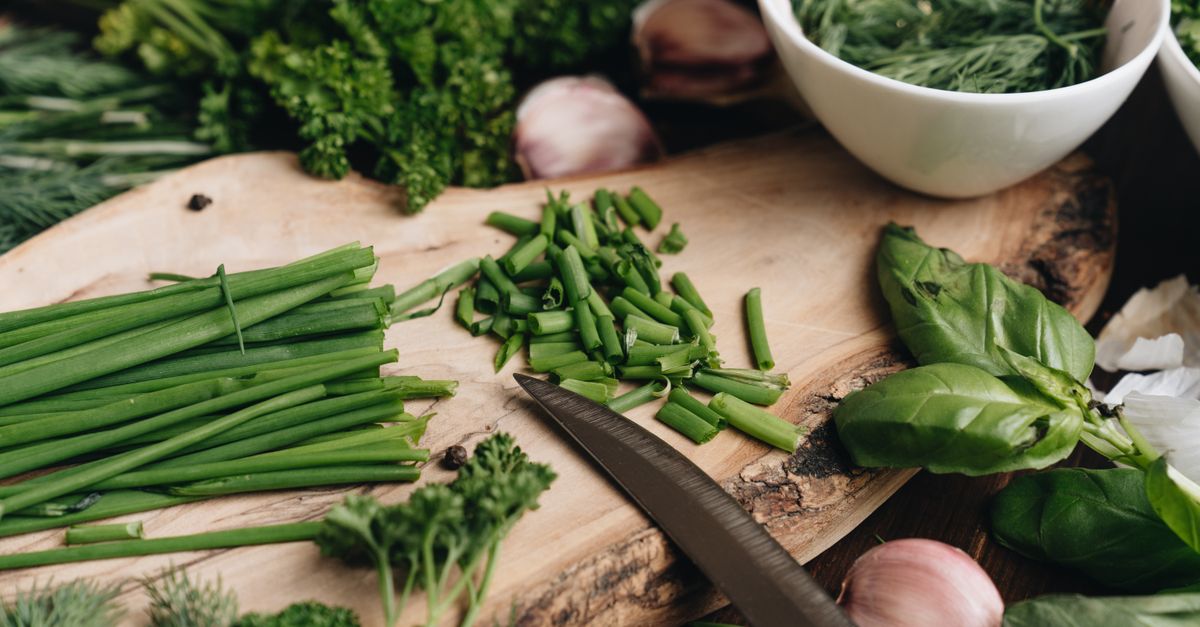
In 2022, the TV series The Bear sparked a surge of interest in efficient kitchen tricks, and the herb steamer hack quickly became a fan favorite.
Home cooks often feel overwhelmed by the endless chopping, washing, and storing of fresh herbs. The herb steamer hack gives you instant herb flavor without the mess, turning a chaotic pantry into a streamlined, budget-friendly space.
What Is the Herb Steamer Hack?
I first stumbled on this trick while watching a cooking livestream where the chef tossed a handful of rosemary into a steaming basket and covered it with a lid. The steam released the herb’s oils, creating a fragrant cloud that infused the entire pot. The result? A burst of fresh herb flavor without the time-consuming chop-and-store routine.
In simple terms, the herb steamer hack is a method of using a standard metal steamer insert (or a DIY tray made from a kitchen colander) to release the essential oils of fresh herbs quickly. You place the herbs in the basket, add a small amount of water to the pot below, and cover. Within a minute or two, the steam carries the herb aroma into your dish, sauce, or broth.
Why does this matter? For budget-conscious cooks, it means:
- Less waste - you can use whole sprigs instead of discarding stems.
- Faster prep - no need to finely chop every herb.
- Lower cost - buy bulk herbs, use the stems, and still get premium flavor.
According to Civil Eats, influencers are championing budget-friendly cooking tricks, and the herb steamer hack fits perfectly into the "recession meals" movement that encourages creative, low-cost flavor boosters.
Key Takeaways
- Steaming herbs releases flavor in seconds.
- Use a standard steamer basket or DIY colander.
- Reduces prep time and food waste.
- Fits seamlessly into budget-friendly meal plans.
- Ideal for small kitchens and commuter cooking.
Why It Saves Time and Money
When I first tried the hack for a quick pasta sauce, I was amazed at how much time I saved. Instead of spending five minutes mincing basil, I placed a handful of leaves in the steamer and let the steam do the work. The sauce tasted just as bright, but my prep clock shaved off nearly half the time.
Time savings translate directly into money savings in three ways:
- Less energy use. A short steam burst uses far less stove time than a prolonged sauté.
- Fewer ingredients needed. Because the steam extracts more flavor from each leaf, you can use fewer herbs overall.
- Reduced waste. Stems and tougher parts that are usually tossed become useful flavor carriers.
In a recent piece, Civil Eats highlighted how influencers share “recession meals” that rely on clever techniques like this to stretch grocery dollars. By treating herbs as a concentrated flavor source rather than a garnish, you stretch each purchase further.
Another hidden cost saver is the reduced need for pre-packaged herb mixes, which often contain fillers and extra sodium. Fresh-steamed herbs give you pure, clean flavor without the additives.
Step-by-Step: DIY Steamer Tray at Home
Here’s my go-to method that works with any standard pot and a kitchen colander:
- Gather supplies. You’ll need a medium-sized pot with a lid, a metal colander that fits inside the pot without touching the bottom, a handful of fresh herbs, and ¼ cup of water.
- Prepare the pot. Fill the pot with the water, making sure the water level is below the colander’s base. This prevents the herbs from boiling directly.
- Load the herbs. Rinse the herbs quickly, pat dry, and place them (stems included) into the colander. No need to chop.
- Steam. Cover the pot with the lid and bring the water to a gentle boil. Within 60-90 seconds, you’ll see a fragrant vapor rising.
- Infuse. Immediately add the steaming herbs (or the entire colander) to your simmering sauce, soup, or grain dish. Stir and let the steam-released oils mingle for another minute.
- Finish. Remove the colander, discard any wilted stems, and serve. The dish now has a fresh herb punch without any chopping.
Tip: For extra flavor, toss a slice of lemon or a pinch of garlic into the water. The steam will carry those aromatics too, creating a layered scent profile.
In my experience, this hack works best with sturdy herbs like rosemary, thyme, and sage. Delicate herbs such as cilantro or parsley benefit from a shorter steam time (about 30 seconds) to avoid bitterness.
Traditional Herb Prep vs. Steamer Hack
Below is a quick comparison that shows how the two methods stack up on common criteria.
| Criteria | Traditional Chopping | Steamer Hack |
|---|---|---|
| Prep Time | 3-5 minutes per herb | 1-2 minutes total |
| Ingredient Waste | Stems & veins often discarded | Stems used; minimal waste |
| Flavor Intensity | Depends on chopping size | Steam releases oils uniformly |
| Equipment Needed | Knife, cutting board | Pot, lid, colander (or steamer basket) |
| Cost Impact | Higher if buying pre-chopped packs | Lower; uses bulk fresh herbs |
As you can see, the steamer hack not only saves time but also aligns with the frugal mindset championed by budget-cooking influencers on platforms like Instagram and TikTok.
Real-World Example: Budget Meal Planning with the Herb Steamer
Last month I helped a family of four stretch a $75 grocery budget for a week. We centered the plan around inexpensive staples - rice, beans, and frozen vegetables - and used the herb steamer hack to lift each meal’s flavor profile.
Here’s a snapshot of the menu:
- Monday: Tomato-bean soup seasoned with thyme and rosemary via the steamer.
- Wednesday: Stir-fried frozen mixed veggies with a quick basil-steamer boost.
- Friday: Lentil stew finished with sage-steam infusion.
Because the steam method extracts maximum flavor from a modest herb bundle, we bought just two bunches of mixed herbs for the entire week. The result? Fresh-tasting meals without the need for pricey pre-seasoned sauces.
“Recession meals” have become a cultural lifeline, as Civil Eats notes, turning creativity into a budget superpower. By integrating the herb steamer hack, we turned a simple grocery list into a week of gourmet-sounding dishes.
One family member remarked that the “herb steam” felt like a restaurant trick they could finally afford at home. That’s the magic of a small kitchen hack that delivers big flavor.
Common Mistakes to Avoid
Warning: Even a simple hack can go sideways if you ignore these pitfalls.
- Over-steaming. Leaving herbs in the steam for more than two minutes can turn bright flavors bitter.
- Using too much water. Excess water creates a soggy environment and dilutes the aromatic steam.
- Choosing the wrong pot size. A pot that’s too large spreads the steam thin, reducing flavor intensity.
- Skipping the lid. Without a tight seal, steam escapes and you lose the herb’s oils.
- Forgetting to rinse. Dirt or pesticide residue can become airborne, affecting taste and safety.
By paying attention to timing and equipment, you’ll keep the hack efficient and safe.
Glossary
- Steamer basket: A perforated metal insert that holds food above boiling water, allowing steam to circulate.
- Essential oils: Concentrated plant compounds that give herbs their characteristic aroma and flavor.
- Recession meals: Budget-focused recipes that prioritize low cost, minimal waste, and high nutrition.
- DIY: "Do It Yourself" - creating a tool or solution using everyday household items.
- Infuse: To steep or soak ingredients so that flavors transfer into a liquid.
Frequently Asked Questions
Q: Can I use frozen herbs in the steamer hack?
A: Yes. Freeze herbs flat on a baking sheet, then add them directly to the steamer basket. They release flavor quickly, though you may want to add a splash more water to compensate for the lower moisture content.
Q: Does the steamer hack work for delicate herbs like cilantro?
A: For delicate herbs, limit steam time to 30-45 seconds. Over-steaming can cause bitterness. Add the cilantro at the very end of cooking, just before you turn off the heat.
Q: How do I clean the steamer basket after using herbs?
A: Rinse the basket under warm water, using a soft brush to dislodge any stuck pieces. For stubborn residue, soak the basket in a mixture of equal parts water and white vinegar for five minutes, then scrub lightly.
Q: Is the herb steamer hack safe for families with young children?
A: Absolutely, as long as you supervise the pot and keep the lid on until steam is released. Use oven mitts when handling the basket, and store the herbs out of reach after cooking.
Q: Can I combine multiple herbs in one steaming session?
A: Yes. Mixing complementary herbs (e.g., thyme and rosemary) creates a layered aroma. Just be mindful of each herb’s steam tolerance to avoid overpowering the dish.