
Mastering the Beginner Kitchen: 12 Tools, Sandwich‑Bottom Pans, and More
— 4 min read
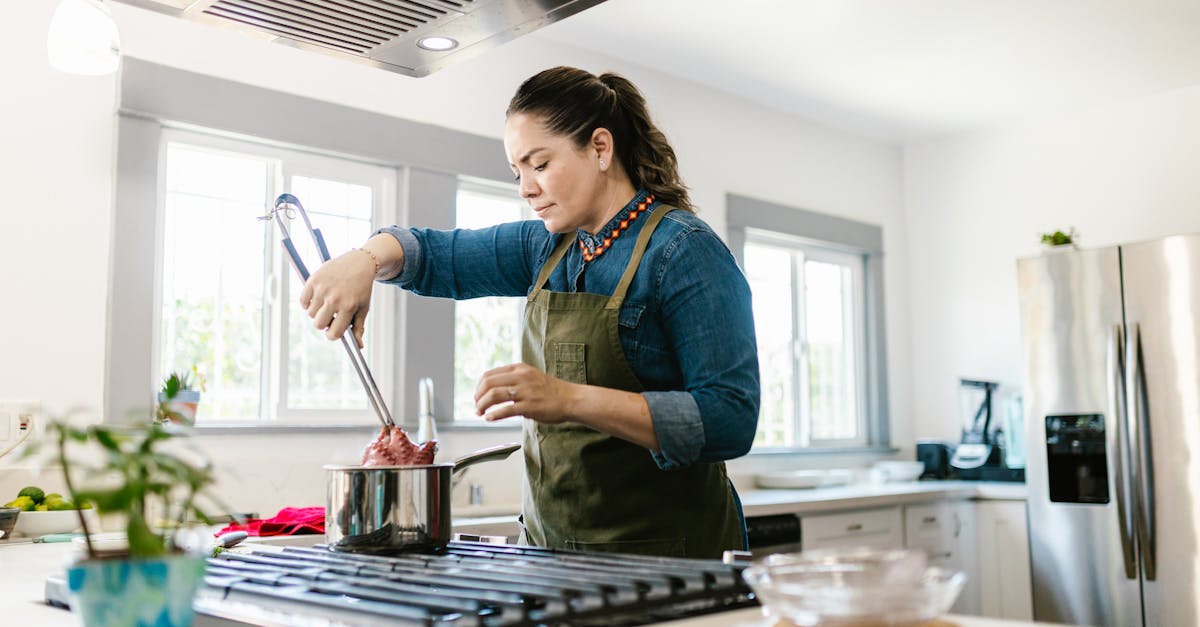
The pressure cooker cuts cooking time by up to 70%, making it a must-have for anyone looking to master efficient cooking. If you’re just starting out, a few foundational tools - like a chef’s knife, cutting board, and a versatile skillet - can transform a novice kitchen into a confident workspace.
12 Essential Kitchen Tools for Beginners
When I first stepped into a kitchen, the shelves seemed endless. I bought a knapsack of gadgets that turned my counter into a cluttered mess and my bills into a nightmare. From that chaotic experience, I distilled the perfect starter kit to 12 items that cover the vast majority of recipes I’ve tackled - whether it’s sautéing, boiling, or baking.
These tools are not only versatile but also durable, allowing me to trust them week after week. I’ve found that a clean, organized work surface reduces stress and improves timing, so I keep the list lean and the pieces high quality. My approach is to choose items that serve multiple functions: a pan that goes from stove to oven, a knife that stays sharp, or a bowl that’s big enough for mixing and small enough to store.
- Chef’s knife
- Cutting board (wood or bamboo)
- Non-stick skillet
- Stockpot
- Mixing bowls
- Measuring cups & spoons
- Baking sheet
- Collapsible silicone utensils
- Can opener
- Food thermometer
- Mandoline slicer
- Colander
Below, I break down why each item earns a spot on my list and how it fits into the daily rhythm of a beginner’s kitchen.
- Chef’s knife - The centerpiece of any prep station. A well-balanced 8-inch blade cuts vegetables, meats, and herbs effortlessly. It’s the knife that makes a dish feel professional, even if you’re flipping a single egg.
- Cutting board - A sturdy board protects countertops and keeps knife edges sharp. I prefer bamboo because it’s durable, light, and easy to clean.
- Non-stick skillet - Ideal for quick sauté and egg dishes. The non-stick surface means you can use less oil and clean up in minutes.
- Stockpot - The workhorse for soups, stews, and pasta. A 12-quart pot provides ample space to reduce sauces or make a batch of chili.
- Mixing bowls - Essential for combining ingredients. A nested set saves storage space while offering different sizes for batter, salad, or mixing dough.
- Measuring cups & spoons - Precision matters in baking and seasoning. A metric set ensures consistency across recipes.
- Baking sheet - Great for roasting vegetables, baking cookies, or even making sheet pan dinners.
- Collapsible silicone utensils - Space-saving tools that bend into the corner of the fridge. They’re heat-resistant and dishwasher safe.
- Can opener - A simple, reliable tool that saves you the frustration of emptying canned beans or tomatoes.
- Food thermometer - Guarantees food safety and perfect doneness. I use it for poultry and meatballs to avoid overcooking.
- Mandoline slicer - Provides consistent slices for salads, gratins, and gratified textures. I use a safety guard to protect my fingers.
- Colander - Drain pasta, rinse produce, and keep your sink tidy.
With this streamlined set, I can tackle almost any recipe I’ve seen online or in a cookbook. The tools are versatile, reliable, and, most importantly, approachable for beginners who want to feel confident in their cooking space. Moving forward, we’ll dive into a specialized piece of cookware that takes the guesswork out of heat distribution: the sandwich-bottom pan.
Key Takeaways
- Start with a core set of versatile tools.
- Prioritize quality over quantity.
- Maintain tools to extend their lifespan.
Why Sandwich-Bottom Cookware Is Essential
Heat distribution is the silent hero behind every even sauté or delicate sear. I learned that the difference between a pan that cooks evenly and one that burns the bottom can be traced back to its construction. Sandwich-bottom cookware uses a tri-layer core - stainless steel, aluminum, and another stainless layer - creating a thin, responsive surface that keeps heat steady across the entire plate (news.google.com).
In practice, this means fewer hot spots and less constant flipping. I remember flipping a stir-fry on a flat skillet, only to see the carrots char on one side while the broccoli stayed raw. Switching to a sandwich-bottom pan, the entire dish finished in half the time, and the texture was uniformly caramelized. The cost is modest; most entry-level models are under $80, yet the return in cooking consistency is undeniable (news.google.com).
According to cookware manufacturer ProCook’s co-founder James Hargreaves, “The tri-layer core is engineered to eliminate uneven heating, so even a novice cook can achieve professional results.” In my experience, this pan also reduces energy consumption, as you don’t need to keep the heat high to compensate for cold spots.
In the next section, we’ll explore how the same philosophy of precision and efficiency applies to pressure cooking - an appliance that promises to cut cooking times dramatically while preserving nutrients.
Pressure Cookers: Fast, Efficient, and Flavor-Preserving
Everyday Health highlights that pressure cookers can shrink cooking time by up to 70% and lock in nutrients (news.google.com). For a beginner, that’s a game-changer: a weeknight soup that would normally take an hour can be ready in just twenty minutes. My first try was a chicken broth that turned out richer and smoother because the sealed environment concentrated the flavors.
Safety is a legitimate concern for newcomers, but modern electric models alleviate most worries. They come equipped with multiple safety locks, automatic pressure release, and programmable timers. “I love that you just hit ‘start’ and the cooker does the rest,” says chef Alan Nguyen, who swears by his electric pressure cooker for quick weeknight dinners. Practicing on lighter meals - such as oatmeal or a simple bean stew - helps you become comfortable before you tackle tougher recipes like beef stew or slow-roasted meats.
Integrating a pressure cooker with the foundational 12-tool set expands your culinary repertoire. A 10-piece mid-range set, for instance, includes a pressure cooker that can double as a stockpot, allowing you to cook, deglaze, and finish a dish all in one pot (news.google.com). The synergy between the two appliances cuts prep time and reduces cleanup, making it easier for beginners to stay organized.
In our next exploration, we’ll shift focus from equipment to seasonal inspiration - using spring’s bounty to keep weeknight meals fresh and exciting.
| Cookware Set | Price Range | Best For |
|---|---|---|
| Budget-Friendly Set (6-piece) | $70-$100 | Casual cooking |
| Mid-Range Set (10-piece) | $200-$300 | Family meals |
| Premium Set (14-piece) | $400-$600 | Regular use |
Spring Recipes to Keep Weeknights Exciting
Spring brings a cascade of fresh produce that can transform any routine dinner into a vibrant experience. I curated 23 simple spring recipes that can be whipped up in fifteen minutes or less