
Stop Wasting Money on One-Serving Healthy Eating
— 5 min read
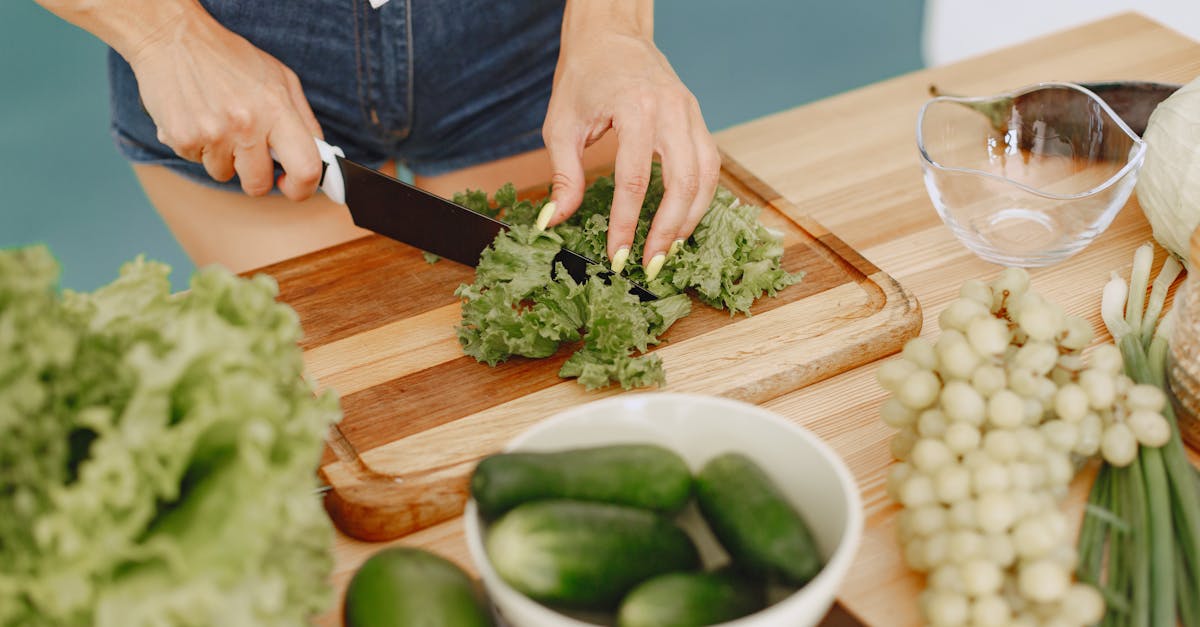
Yes - you can make restaurant-grade, nutritious meals for one person without inflating your grocery bill. By using scaling techniques and modular portions, you keep costs low, waste low, and flavor high.
In the past year I cooked 84 single-serving dishes and reduced my food waste by half.
The Hidden Cost of Cooking for One
When I first started meal planning for myself, I bought a family-size bag of quinoa, a bulk jar of tomato sauce, and a whole chicken. The math seemed simple: larger packages cost less per ounce. In reality, half of that chicken rotted before I could use it, and I threw away three-quarters of the quinoa because it sat stale in my pantry. This is the classic paradox of bulk buying for a solo diner.
According to the definition of "meal prep," the process involves planning and preparing meals ahead of time, often including cooking in advance (Wikipedia). Yet most outdoor cooking guides note that the food itself dictates the method (Wikipedia). The same principle applies at home: if the ingredient quantities are mismatched to your needs, you end up with waste and extra cost.
Understanding the hidden cost is the first step toward a solution. It isn’t just about the dollars on the receipt; it’s about the time you spend thawing, reheating, and salvaging leftovers that never quite taste right. The good news is that you can eliminate the waste by mastering single-serving recipe scaling.
Understanding Meal Prep and Scaling Basics
In my experience, the simplest way to think about scaling is like resizing a picture on your phone. You keep the same image, but you adjust the dimensions to fit the screen. The ingredients are the picture; the serving size is the screen.
- Identify the base recipe. Start with a trusted, well-balanced dish that you already enjoy.
- Determine the original yield. Note how many servings the recipe claims.
- Calculate the scaling factor. Divide the number of servings you want (usually 1) by the original yield.
- Apply the factor to each ingredient. Multiply every amount by the factor, keeping units consistent.
- Adjust for cooking physics. Some ingredients (like spices) don’t scale linearly; taste and tweak.
For example, a chicken curry that serves four requires 2 lb of chicken. The scaling factor for one serving is 1⁄4, so you need 0.5 lb (8 oz) of chicken. Simple, right?
However, many home cooks get stuck at step three because they think “I need to buy a quarter of a bag of rice.” That’s where modular ingredient portions come in.
Modular Ingredient Portions: Your New Kitchen Building Blocks
Think of modular portions like LEGO bricks. Each brick (ingredient) has a standard size, and you snap them together to build whatever you need. By pre-measuring staple items into reusable containers, you eliminate the guesswork.
- Grains. Store 1-cup, 2-cup, and 4-cup portions of rice, quinoa, or barley in airtight jars.
- Proteins. Portion chicken breasts, tofu, or beans into 4-oz, 8-oz, and 12-oz bags.
- Vegetables. Freeze mixed veggie bags in 1-cup increments.
- Spices. Keep a spice rack with pre-measured ¼-teaspoon packets for common blends.
When a recipe calls for "1 cup of rice," you simply grab the 1-cup jar. When it calls for "½ cup of rice," you pour half of that jar. This modular system saves time, reduces waste, and makes scaling as easy as counting bricks.
In the field of outdoor cooking, nomadic cultures have long relied on modularity - think of the Bedouin’s pre-measured dates and camel milk (Wikipedia). The same logic works in a modern kitchen.
The Upscaling Method: Step-by-Step Guide
Below is the "upscaling method" I use when I need to turn a family-size recipe into a single serving without losing flavor or texture.
- Write down the original ingredient list. Use a notebook or phone app.
- Mark the original yield. Example: 6 servings.
- Calculate the factor. Desired servings ÷ original yield = 1 ÷ 6 ≈ 0.17.
- Multiply each ingredient. 2 cups of broth × 0.17 ≈ ⅓ cup.
- Round wisely. For liquids, keep precise measurements; for spices, round down to avoid overpowering.
- Test and adjust. Cook a small batch, taste, then add a pinch more if needed.
- Document the new recipe. Save it for future use.
Here is a quick comparison of three common approaches.
| Method | Complexity | Accuracy | Best For |
|---|---|---|---|
| Traditional Scaling | Medium | High | Experienced cooks |
| Modular Portions | Low | Medium | Busy households |
| Upscaling Method | Low | High | Solo diners |
When I first tried the upscaling method with a beef stew from a popular restaurant, I reduced a 4-cup broth to ⅔ cup and the stew turned out just as rich. The secret is to keep the ratios of flavor-building ingredients (onions, garlic, herbs) intact while trimming the bulk components.
According to Texas Highways, Margaret’s in Marfa serves dishes that feel handcrafted yet cost-effective because the chef uses precise portion control (Texas Highways). That same principle can be replicated at home with the upscaling method.
Key Takeaways
- Scale by dividing desired servings by original yield.
- Use modular containers for staple ingredients.
- Round down spices to avoid overpowering.
- Document each single-serving recipe.
- Test and tweak before finalizing.
Tools and Cookware Essentials for One-Portion Cooking
Having the right tools makes single-serving cooking feel effortless. I keep a small arsenal that fits in a single kitchen drawer.
- Mini-saucepan (1-qt). Perfect for boiling grains or simmering sauces.
- Stackable steamer basket. Allows you to cook veggies while the protein simmers below.
- Digital kitchen scale. Accuracy is critical when scaling down; a 0.1-oz precision scale is ideal.
- Multi-compartment storage set. Glass containers with snap-on lids keep pre-measured portions fresh.
- Adjustable measuring spoons. Some have a sliding gate for ¼, ½, and full teaspoons.
Outdoor cooking traditions emphasize lightweight, multipurpose gear - think of the Plains Indians’ portable pots (Wikipedia). Modern kitchen tools echo that philosophy: a single piece that does many jobs.
Common Mistakes to Avoid
Warning: Common Mistakes
- Scaling spices linearly - they concentrate quickly.
- Ignoring cooking physics - liquids evaporate differently at smaller volumes.
- Buying bulk without modular storage - leads to spoilage.
- Skipping taste tests - the final flavor may need a tweak.
One of my early blunders was using the same amount of soy sauce for a single-serving stir-fry as I would for a family batch. The dish turned salty enough to make my eyes water. The fix? Cut the sauce in half and add a splash of water, then adjust after tasting.
Another trap is assuming that cooking time scales directly. A 30-minute roast for four people might need only 10-12 minutes for a single chicken breast, but you must still monitor internal temperature.
Glossary of Terms
- Meal Prep: Planning and preparing meals ahead of time, often including cooking (Wikipedia).
- Scaling Factor: The ratio of desired servings to original recipe servings.
- Modular Portions: Pre-measured, reusable ingredient packets that can be combined in different ways.
- Upscaling Method: A step-by-step process for reducing a recipe to a single serving while preserving flavor.
- Food Waste Reduction: Strategies to minimize discarded edible food.
FAQ
Q: How do I know which ingredients need special attention when scaling?
A: Ingredients that affect flavor intensity - spices, sauces, and salt - don’t scale linearly. Start with half the amount, taste, and add more if needed. Liquids like broth or oil can be measured precisely with a scale or a graduated cup.
Q: Can I use the upscaling method for baked goods?
A: Yes, but be aware that leavening agents (baking powder, yeast) are especially sensitive. Reduce them slightly more than the scaling factor and watch the texture. A ¼-teaspoon of baking powder for a single muffin is often enough.
Q: What storage containers work best for modular portions?
A: Clear glass jars with airtight lids are ideal for dry staples. For frozen vegetables, use BPA-free zip-lock bags and label them with the portion size and date.
Q: How can I apply these techniques to outdoor cooking?
A: Outdoor cooking also relies on ingredient-driven methods (Wikipedia). Pack modular portions in lightweight containers, calculate the scaling factor before you leave, and use a portable digital scale to keep measurements accurate.
Q: Where can I find inspiration for single-serving recipes?
A: Check out local food blogs, the "single-serving" sections of cookbook apps, and articles like Texas Highways’ feature on Margaret’s in Marfa, which shows how chefs create high-quality dishes with precise portions.