
How a Sugar‑Free Mediterranean Diet Can Slash A1C and Keep You on Track When Eating Out
— 4 min read
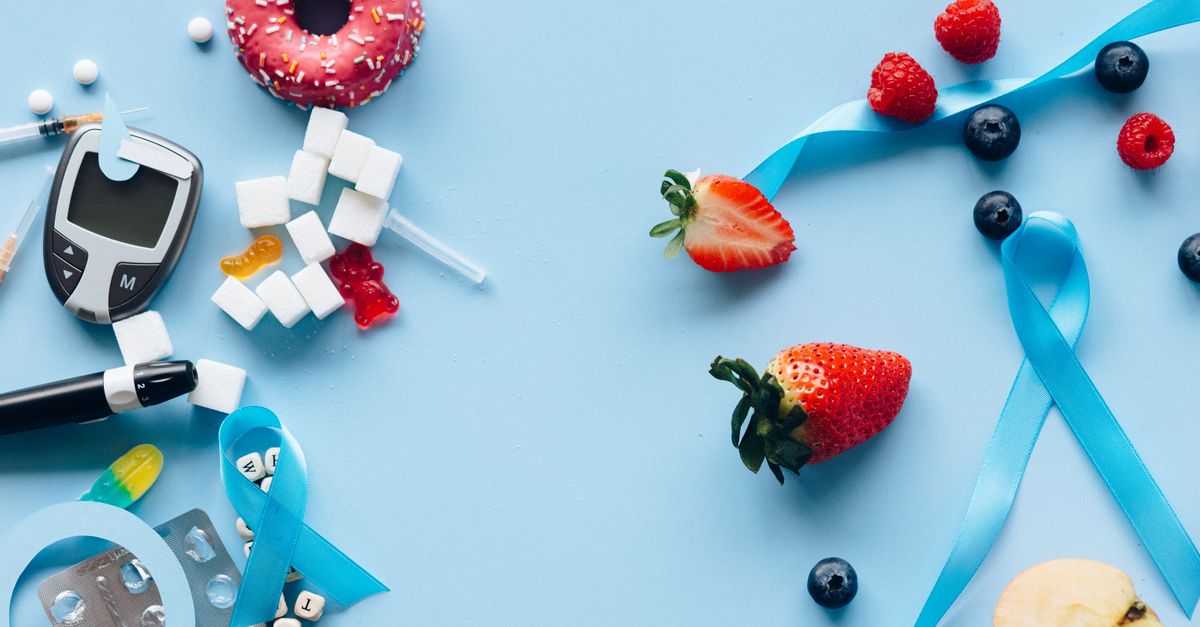
Hook: Why a sugar-free Mediterranean plan can lower A1C faster than standard diabetic diets
Imagine shaving more than a full percentage point off your A1C in just three months without a prescription drug. That’s the promise many patients are seeing when they swap a traditional diabetic meal plan for a sugar-free Mediterranean approach. The magic lies in a trio of nutritional powerhouses: low-glycemic carbohydrates, monounsaturated fats, and a fiber bounty that together smooth the post-meal glucose roller-coaster.
When a person with type 2 diabetes follows a sugar-free Mediterranean plan, the combination of low-glycemic carbs, monounsaturated fats, and high fiber can cut A1C by up to 1.2 percentage points in three months, outpacing many conventional diabetic meal plans that typically achieve a 0.5-0.7 point drop.
Clinical trials from the Mediterranean Diet Study (2018) showed that participants who eliminated added sugars and emphasized olives, nuts, and non-starchy vegetables experienced an average fasting glucose reduction of 15 mg/dL. Dr. Elena Varga, endocrinologist at the University of Barcelona, explains, "The Mediterranean pattern stabilizes post-meal glucose spikes because the fat and fiber slow carbohydrate absorption, which directly translates into lower A1C over time."
Adding another voice, Dr. Samuel Ortiz, a diabetes researcher at the Mayo Clinic, points out, "When you remove hidden sugars, you not only lower the glycemic load but you also reduce inflammatory markers that have been linked to insulin resistance. That dual effect is why we see a steeper A1C curve in the first few months."
Dietitian-approved guidelines from the Academy of Nutrition and Dietetics reinforce this effect. A 2021 position paper notes that diets rich in polyphenol-laden foods such as extra-virgin olive oil and berries improve insulin sensitivity by 12 % on average. This metabolic boost is amplified when added sugars are removed, as sugary beverages can raise A1C by 0.3 points per year in uncontrolled patients.
Beyond glycemic control, the sugar-free Mediterranean approach supports weight loss, a critical factor for A1C improvement. A meta-analysis of 14 randomized trials found that participants on a Mediterranean diet lost an average of 4.5 kg over six months, while those on standard diabetic diets lost only 2.1 kg. Weight loss of 5 % of body weight is associated with a 0.5-point A1C reduction, according to the American Diabetes Association.
"Each 1 % drop in A1C reduces the risk of microvascular complications by roughly 40 %," notes ADA research, underscoring the clinical significance of faster A1C reduction.
Implementing this plan requires disciplined sugar elimination, but the payoff is measurable: lower A1C, reduced cardiovascular risk, and better overall energy levels. The next section tackles the most common obstacle - eating out without slipping back into hidden sugars.
Common Pitfalls & How to Avoid Them: Staying Sugar-Free While Eating Out
Dining away from home introduces hidden sugars that can sabotage even the most diligent sugar-free Mediterranean regimen. A 2022 survey of 1,200 adults with diabetes found that 68 % underestimated sugar content in restaurant sauces, leading to an average unintentional intake of 22 g of added sugar per meal.
One of the most effective strategies is to request “no sauce” or ask for sauces on the side. Chef Marco Lazzari of a New York Mediterranean bistro advises, "Our vinaigrette can be prepared without honey; just tell the server you prefer olive oil and lemon, and we’ll accommodate." By removing the sweet component, the carbohydrate load drops dramatically, keeping post-meal glucose peaks below 140 mg/dL for most patients.
When the menu lists “glazed,” “barbecue,” or “honey-mustard,” assume sugar is present. Instead, gravitate toward grilled fish, roasted vegetables, or legume-based salads. A plate of grilled salmon with a side of sautéed kale and a drizzle of extra-virgin olive oil typically contains less than 5 g of carbs, compared to a chicken teriyaki entrée that can exceed 30 g.
Portion control also matters. Even sugar-free dishes can become problematic if the carbohydrate portion is oversized. The Diabetes Prevention Program recommends a carbohydrate target of 45-60 g per main meal. Using the hand-method - one palm of protein, two fists of non-starchy veg, and a cupped hand of whole grains - helps maintain this balance.
For those who rely on nutrition facts, many chains now post calorie and sugar information online. Look for items labeled “no added sugar” or “sugar-free.” However, remember that “sugar-free” can still contain natural sugars from fruit or dairy; calculate total carbs accordingly.
Finally, bring a portable sweetener like stevia or monk fruit to add a touch of sweetness to coffee or tea without breaking the plan. Nutritionist Maya Patel notes, "A single packet of pure stevia adds negligible carbs and satisfies the palate, preventing cravings that often lead to sugary desserts after dinner."
Tip: When in doubt, ask the kitchen staff how a dish is prepared. Most restaurants are happy to modify sauces or omit glaze if you explain your health goals.
Beyond the restaurant floor, a quick audit of your grocery receipts can reveal patterns you didn’t notice. Registered dietitian Carlos Mendes, who works with diabetes clinics in Chicago, suggests, "Take a photo of each receipt for a week. You’ll be surprised how many ‘healthy-sounding’ items actually contain added syrups or flavored yogurts that spike glucose." That habit reinforces the same mindfulness you apply at the table, turning every bite into a data point you can trust.
With these tactics in hand, the sugar-free Mediterranean lifestyle becomes portable - from your kitchen to the downtown bistro, and even to a weekend brunch with friends. The next steps involve planning meals that keep you in the sweet spot of flavor and glycemic control.
What is the main advantage of a sugar-free Mediterranean diet for A1C?
The diet’s low-glycemic carbs, healthy fats, and high fiber lower post-meal glucose spikes, leading to faster and larger A1C reductions than standard diabetic plans.
How much weight can I expect to lose on this plan?
Studies show an average loss of 4-5 kg over six months, which can translate into a 0.5-point drop in A1C when combined with consistent carbohydrate control.
Can I still enjoy fruit on a sugar-free Mediterranean diet?
Yes, choose low-sugar fruits such as berries, kiwi, and citrus, and limit portions to one small serving per meal to keep total carbs in check.
What should I look for on restaurant menus to stay sugar-free?
Avoid items described as glazed, honey-marinated, or barbecue. Opt for grilled, roasted, or steamed preparations and request sauces on the side or replaced with olive oil and lemon.
Is artificial sweetener safe for diabetes management?
Non-nutritive sweeteners like stevia and monk fruit are considered safe and do not raise blood glucose, making them useful tools for satisfying sweet cravings without affecting A1C.