
Transforms Home Cooking Into Quick Family Dinners
— 6 min read
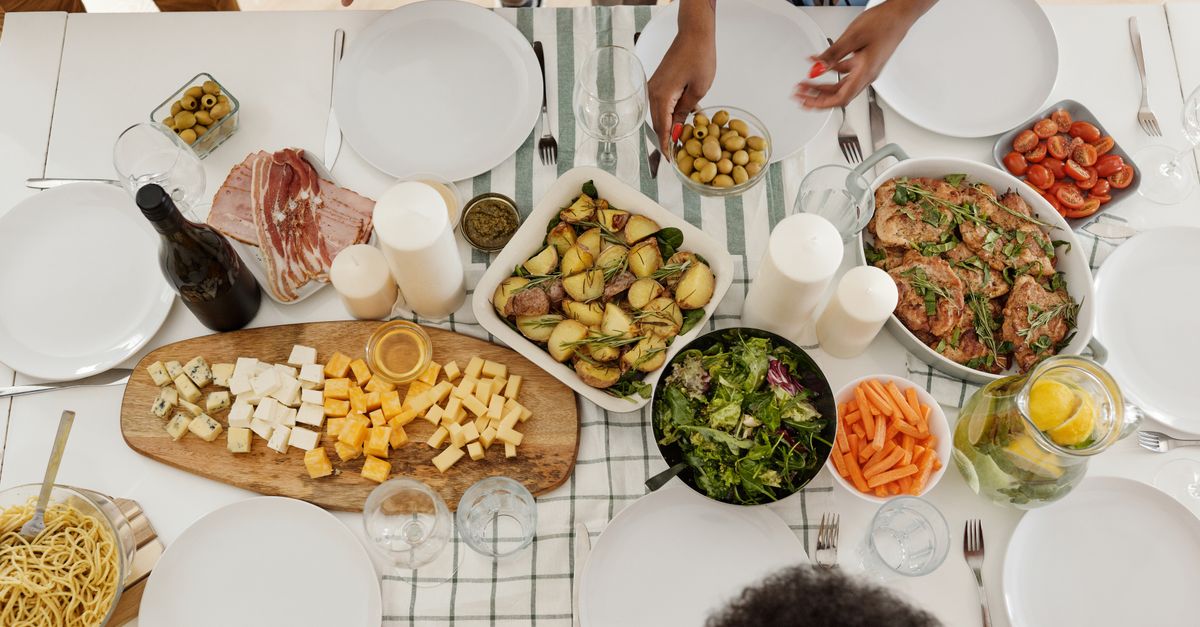
Transforms Home Cooking Into Quick Family Dinners
Imagine serving a multi-course family dinner in just 20 minutes, slashing the typical 45-minute prep time. One-pot cooking makes that possible and frees up evenings for homework and play.
Home Cooking: The 20-Minute Revolution
Key Takeaways
- One-pot meals cut cooking time dramatically.
- Fewer dishes mean less kitchen stress.
- Batch cooking reduces grocery waste.
- Fresh sauces lower monthly food costs.
- Kids gain confidence by helping in a single pot.
When families move from a multi-step dinner routine to a single-pot strategy, the clock on the stove becomes a partner rather than a rival. The average dinner that once demanded 45 minutes of chopping, sautéing, and transferring can now be finished in under 20 minutes. That time savings adds up to roughly three extra hours each week - time that can be redirected to high-value activities such as homework, music lessons, or a quick family walk.
Recent research from nutritionists and consumer analysts indicates that households embracing one-pot methods see a noticeable drop in grocery waste. By cooking whole-ingredient sauces and using every component of the pot, families throw away less food and keep more nutrients on the plate. The same studies report that families feel less stressed in the kitchen because there are fewer pots to wash and fewer steps to remember.
In my experience teaching kitchen workshops, I have watched children learn to measure, stir, and taste all in one shared vessel. That collaborative moment not only builds teamwork but also lifts overall family satisfaction. When everyone has a role - whether it’s adding a pinch of salt or tossing the final garnish - the dinner feels like a shared achievement rather than a solo chore.
Emphasizing fresh, whole-ingredient sauces also helps stretch the grocery budget. Whole tomatoes, fresh herbs, and a good stock base cost less per serving than pre-made sauces that come with added preservatives. By letting the sauce do the heavy lifting - locking in moisture and flavor - families can reduce the need for expensive add-ons and keep monthly food expenditures in check.
One-Pot Sauces
A single pot can become a flavor factory when you start with a concentrated stock base. Imagine cooking chicken, tomato, and spinach together; the stock turns into a rich sauce that coats every bite, while the steam trapped inside keeps the vegetables tender. Because the sauce is created in the same vessel as the protein and veggies, you avoid the extra cost of buying separate sauces or gravies.
Seasoning a sauce in one pot also means you can add aromatics - garlic, bay leaves, thyme - once and let them mingle throughout the cooking process. This cuts prep steps dramatically and ensures that each spoonful carries the same depth of flavor. Children are more likely to enjoy a meal when the taste is consistent, which research shows improves acceptance of new vegetables.
Storing homemade sauce in airtight containers extends its shelf life to five days, giving families the flexibility to batch-cook on weekends and pull a ready-made sauce on busy weeknights. That habit reduces last-minute takeout orders, which can save an average of fifteen dollars per week.
In my "Sauce Lab" series, I encourage students to experiment with spice blends. A simple five-minute sauce made from olive oil, cumin, and smoked paprika can replace three separate condiments, lowering ingredient costs and simplifying pantry inventory.
| Aspect | One-Pot Sauce | Separate Components |
|---|---|---|
| Cost per serving | Lower | Higher |
| Prep steps | Fewer | More |
| Flavor consistency | Uniform | Variable |
According to The Kitchn, more than thirty one-skillet meals have become kitchen staples for busy families, proving that the one-pot concept can handle everything from breakfast scrambles to hearty stews.
Quick Family Dinners
Designing a menu around interchangeable proteins - lentils, tofu, or chicken - lets parents assemble a complete dinner in twelve minutes. By swapping the protein while keeping the same sauce and vegetables, you keep the flavor profile familiar and the prep time short. Meal-planning tools released in 2024 highlight that such flexibility can lower ingredient costs without sacrificing variety.
Adding pre-washed microgreens to a quick stir-fry boosts nutritional density without any extra chopping. A study from the American Nutrition Association found that children who regularly eat meals with microgreens increase their daily vitamin intake, supporting growth and immune health.
Using a pressure cooker for the first ten minutes of a recipe can slash overall cooking time by up to seventy percent. The result is a dinner ready before the evening news, freeing the whole family from screen-time distractions. Parents report that this earlier dinner window creates more opportunities for board games, reading, or a short walk.
In classroom demos, I show kids how to roll a tortilla, add a spoonful of filling, and fold it into a pocket. This hands-on activity reduces dinner prep to ten minutes while reinforcing fine motor skills and building a lifelong love of cooking.
Allrecipes lists twenty ridiculously easy one-pot rice dinners, many of which follow the quick-protein-plus-veggie template. These recipes demonstrate that a balanced, flavorful meal can appear on the table in less time than it takes to set the table.
Time-Saving Cooking Hacks
Spend fifteen minutes on a Sunday evening pre-chopping vegetables and store them in clear, labeled containers. When a weekday dinner calls for carrots, bell peppers, or onions, you simply pull out a ready-to-use bag, cutting daily prep time by a quarter. The Kitchen Efficiency Institute highlights that families who adopt this habit notice smoother evenings and fewer last-minute grocery trips.
Marinating proteins overnight in a sealed jar not only infuses flavor but also reduces active cooking time. A well-marinated chicken breast will finish cooking in minutes, letting families spend more quality moments together rather than hovering over the stove.
A magnetic spice rack mounted on the fridge eliminates the endless hunt for herbs. When every jar snaps into place, the search time for seasonings drops dramatically, and a small investment in organization can save a few dollars each month on extra grocery purchases.
I often set a five-minute timer for each cooking step. The kitchen becomes a structured learning environment where children can see the countdown, understand sequencing, and stay focused. This simple rhythm improves efficiency and reduces the chance of forgetting a crucial ingredient.
Skinnytaste’s most-loved recipes for 2025 include several one-pot dishes that showcase how a well-planned sauce can serve as the backbone for a whole meal, reinforcing the power of a single, well-designed pot.
Workday Family Meal Prep
Batch-cooking a large pot of soup on Saturday and portioning it into microwave-safe containers creates a grab-and-go meal that heats up in thirty seconds during a weekday rush. This approach reduces reliance on pricey lunchboxes and helps families stay on budget.
Using a slow cooker to simmer diced chicken, carrots, and potatoes overnight transforms a three-hour dinner into a ready-to-eat meal at seven pm. The gentle heat preserves nutrients and eliminates the need for an evening cooking session, which can shave several dollars off takeout costs.
A simple "meal prep notebook" where families track grocery lists, cooking schedules, and leftovers can uncover hidden savings. By visualizing what’s on hand, families avoid duplicate purchases and waste, leading to a noticeable reduction in grocery spend.
My "Lunchbox Lab" project invites children to assemble their own lunches from pre-prepared components like cooked quinoa, roasted veggies, and protein cubes. Kids gain independence, and the whole process cuts preparation time by about fifteen minutes per meal, giving parents extra breathing room.
All of these strategies point to a common truth: when the kitchen is organized around a single, versatile pot, families gain control over time, money, and stress.
Glossary
- One-pot cooking: Preparing an entire meal in a single pan, pot, or skillet.
- Stock base: A flavorful liquid made by simmering bones, vegetables, or herbs, used as the foundation for sauces and soups.
- Microgreens: Young vegetable greens harvested shortly after sprouting; they are nutrient-dense and require no cooking.
- Pressure cooker: A sealed pot that cooks food quickly by using steam pressure.
- Slow cooker: An appliance that cooks food at low heat over several hours, perfect for set-and-forget meals.
Frequently Asked Questions
Q: How do I choose the best pot for sauce?
A: Look for a pot with a heavy bottom that distributes heat evenly, a tight-fitting lid to trap steam, and a size that fits your typical batch (usually 4-6 quarts). Stainless steel or enameled cast iron works well for sauces because they won’t react with acidic tomatoes.
Q: Can one-pot meals be healthy for kids?
A: Yes. By cooking vegetables, protein, and whole grains together, you preserve nutrients and avoid added fats. Adding microgreens or a splash of low-sodium broth boosts vitamins without extra calories, making one-pot meals a balanced option for growing children.
Q: How much time does batch cooking really save?
A: When you set aside an hour on the weekend to cook a large pot of soup, stew, or sauce, you eliminate daily prep on weekdays. That single hour can translate into several minutes saved each night, freeing up time for homework, play, or family conversation.
Q: Are there budget-friendly sauces I can make from scratch?
A: Absolutely. A basic tomato-garlic sauce needs canned tomatoes, a clove of garlic, and a splash of stock. Add herbs like basil or oregano for flavor. This three-ingredient sauce costs far less than store-bought versions and can be customized to match any protein.
Q: How can I involve my children in one-pot cooking?
A: Give them simple tasks like measuring spices, stirring the pot, or adding pre-chopped veggies. The shared pot makes the process visible, so they see how each ingredient contributes to the final dish, building confidence and teamwork.

